If your feet flatten when you stand, you probably feel it in more than your arches. Patients come in for heel pain or shin splints, yet when we watch them walk, the story widens. The way a foot collapses or stays rigid ripples upward into the ankle, knee, hip, and lower back. Sometimes the foot is the quiet culprit behind stubborn knee ache or a cranky lumbar spine that never quite settles.
A flat foot specialist evaluates those links rather than chasing isolated symptoms. The aim is not simply to prop up an arch, but to restore efficient mechanics through the whole chain. Done well, that means fewer flare ups, better endurance, and less reliance on painkillers.
What “flat feet” really means
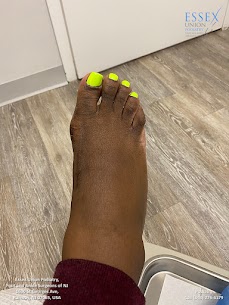
Flat feet, or pes planus, describes a lowered medial arch and a heel that often tilts inward when weight bearing. Some people have flexible flat feet that look flat under load yet form a visible arch when non weight bearing. Others have a rigid flatfoot that stays flattened regardless of position. The difference matters because flexible feet respond well to certain exercises and orthoses, while rigid deformities may need more structured support or, in advanced cases, surgical correction.
Arches are not decorations. They’re engineered springs. The plantar fascia, intrinsic foot muscles, tibialis posterior tendon, and the bones of the midfoot collaborate to store and release energy as you move. When that system collapses too early or too much, the ankle falls inward, the tibia rotates excessively, and the knee’s tracking changes. If you have a low back that hates long walks or a knee that protests stairs, a flattened arch can be one of the reasons.
The chain reaction to the knee and back
Walk behind a patient with flat feet and watch from the heels upward. As the foot pronates abruptly, the heel bone tips in, the ankle shifts medially, and the shin bone rotates internally. The kneecap rides on a groove at the femur, and this internal rotation can pull it slightly off its optimal track, increasing pressure under the patella. The result might be front of knee pain, especially with squats or hills.
Now, consider the pelvis. When foot pronation is excessive or poorly timed, many compensate by rotating the hip, tilting the pelvis, or increasing lumbar lordosis to keep balance. For some, the back muscles work overtime to stabilize the trunk because the base isn’t stable. Over months or years, the back complains. It’s rarely the sole cause of back pain, but it is a repeat offender in mixed pain patterns that never quite resolve.
I’ve seen recreational runners who add mileage and suddenly develop iliotibial band tightness and low back fatigue. The IT band wasn’t the first domino. It was the tug of a pronating foot changing the rotation at the knee and hip that made the band work harder as a substitute stabilizer.
Not all flat feet are a problem
Many people with low arches live without pain. Ballet dancers, hikers, and warehouse workers often function at a high level with planus feet. Symptoms arise when strength, flexibility, and tissue tolerance fall out of balance, or when a flatfoot becomes progressively deformed due to tendon insufficiency. A foot does not need a textbook arch to be healthy, but it does need coordinated timing of pronation and supination, and enough muscular support to control load.
The key is whether your foot can stabilize when needed. If it collapses and stays collapsed, the rest of the chain must compensate. That’s when you feel knees that ache after long drives, hips that feel tight by afternoon, or a back that stiffens after standing in a checkout line.
Signs your arches are part of the knee or back picture
Patients often describe patterns that point us to the feet even when the pain is higher up. Look for any of these:
- Foot fatigue and swelling at day’s end, especially at the inside of the ankle, along with occasional shin twinges. Knees that feel better with supportive shoes or when walking on firm, flat surfaces, but worse on hills or soft sand. A back that tolerates cycling or swimming, yet flares with long walks or standing at work. Uneven shoe wear with the heel wearing down on the inside edge, plus a tendency to feel unstable when turning quickly. A history of plantar fasciitis that morphed into knee or hip pain over time rather than fully resolving.
If these ring true, a foot and ankle specialist’s assessment can be revealing. A podiatric physician or orthopedic foot doctor can identify how much of the problem originates in the foot and how much is compensatory higher up.
What a flat foot specialist actually does
Assessment begins with careful history. We ask about injury patterns, training changes, shoe choices, and daily demands. Then we watch you stand and walk. Does the foot crash inward on initial contact or later in stance? Does the arch reform when you push off? Do your knees dive toward midline? How does the hip align when the foot is loaded?
A proper evaluation includes palpation of the tibialis posterior tendon along the inside of the ankle, range of motion at the subtalar and midtarsal joints, and strength testing of the peroneals and intrinsic foot muscles. We may perform a single leg heel raise to see if the heel inverts. Failure to invert often points to tibialis posterior dysfunction, a common driver of adult acquired flatfoot.
Gait analysis can be as simple as slow motion video captured in the clinic, or as sophisticated as a pressure plate study and 3D motion capture. Many podiatry clinics and sports podiatrist teams use digital tools judiciously, but the most important data still come from trained eyes. The best orthotics specialist I work with pairs high resolution pressure mapping with a practical test: can you control a single leg squat without the ankle or knee collapsing? If not, we address that before chasing millimeter changes in arch contour.
Imaging has a role. Weight bearing foot X rays show alignment and joint integrity. Ultrasound can assess tendon quality. MRI gets reserved for suspected tendon tears or complex midfoot issues.
The spectrum: flexible versus rigid, mild versus progressive
Flat feet fall on a spectrum:
- Flexible and asymptomatic. Arch appears on tiptoes, no pain, good function. Often needs nothing more than smart shoe choices and strength work. Flexible with symptoms. Pain at the heel, arch, or inner ankle, with fatigue or knee discomfort after activity. Responds well to targeted exercises and custom insoles. Early adult acquired flatfoot. Tibialis posterior tendon insufficiency with swelling and pain along the inside of the ankle, plus a foot that flattens and abducts. Needs structured support, progressive strengthening, and close follow up. Rigid flatfoot. Limited joint motion, often due to tarsal coalition, arthritis, or long standing deformity. May require bracing or surgical evaluation by a foot and ankle surgeon if conservative care fails.
These are clinical sketches, not boxes. People move between them with treatment or neglect. The earlier we intervene in progressive cases, the better the long term outlook.
Footwear and orthoses, used with purpose
Support is a tool, not a cure. In the clinic, I match the device to the patient’s foot, body, and goals. A retail arch support might be perfect for a flexible, mildly symptomatic flatfoot during a walking program, while a custom orthotic becomes the right call for a heavier patient with a demanding job who stands on concrete eight hours a day.
Think of shoes first. A stable heel counter, torsional stiffness through the midfoot, and a rocker sole can offload stressed tissues and reduce knee torque. Stack height matters less than the shoe’s overall platform stability and how it controls midfoot motion. Trail models often provide better side-to-side stability for flat feet even on city sidewalks.
Custom orthoses do not need to be rigid bricks. Many patients do well with semi rigid devices that guide the heel and support the arch without overpowering the foot. When knee pain accompanies flat feet, posting the heel and modulating forefoot support can change tibial rotation and reduce patellofemoral stress. A custom orthotics doctor or foot correction specialist will adjust angles in degrees, but the result you should feel is less fatigue and steadier push off, not a forced arch that bruises the midfoot.
I’ve had warehouse workers with severe end-of-day ankle pain do remarkably well with a supportive boot paired with a contoured insole and a slight heel lift to relieve Achilles tension. Runners may be better served by a stable daily trainer and a lighter custom insole, keeping race shoes neutral to avoid over correction at speed.
Strength and control: the quiet fix
Arch strength matters most when load peaks, which is typically just after midstance as you transition to push off. Training should reflect that. Calf raises are useful, but the quality of motion matters. Rise slowly, pause at the top with the heel slightly inverted, and lower under control. Start two legged, progress to single leg, and keep total volume high, say 30 to 60 controlled reps spread across sets.
Don’t ignore the small muscles. Short foot exercises, where you gently draw the ball of the foot toward the heel without curling the toes, improve arch control. Pair them with resisted eversion and inversion using a band to balance the peroneals and tibialis posterior. Hips carry more responsibility than they get credit for. Lateral band walks, single leg deadlifts, and step downs train the pelvis to stay level and the knee to track well when the foot pronates.
I usually sequence rehab as follows: foot intrinsic activation, calf complex strength, tibialis posterior endurance, and hip abductors and external rotators. If the knee hurts, add controlled terminal knee extensions against a band and cue the arch to lift gently during the movement. The feedback helps the body integrate foot control with knee alignment.
When the knee or back steals the show
It is common to treat the knee or back first if the pain is severe there, then circle back to the feet. A hinged knee brace may calm a cranky patellofemoral joint enough to begin foot training. For the back, unloading strategies like a brief period of reduced standing time or a sit stand desk can make space for the foot work to take effect. Dry needling or manual therapy may ease protective muscle guarding, but it won’t replace strength and alignment.
Patients often ask how long until knee or back symptoms change after addressing the feet. For mild to moderate cases, I see early improvement within two to four weeks, with more stable gains by six to eight weeks. Tendon issues take longer. A tibialis posterior tendon that has been irritated for a year will need months of consistent loading and support. Set expectations accordingly, and chase steady progress rather than perfect days.
Conditions that travel with flat feet
Plantar fasciitis is the headline, but it is not alone. Posterior tibial tendinopathy, medial ankle pain, shin splints, peroneal overload, and even Morton’s neuroma can join the party. Upstream, patellofemoral pain, medial knee ache, and hip bursitis appear regularly. In diabetics, flat feet paired with neuropathy raise the risk of pressure points and ulcers. A diabetic foot doctor or podiatric wound care specialist will prioritize pressure management and skin protection, often with custom insoles and specialty footwear.
Children are their own category. Many kids have flexible flat feet that improve with growth and normal activity. A pediatric podiatrist or children’s podiatrist looks for red flags: pain that limits play, tripping, or stiffness suggesting a tarsal coalition. When needed, temporary orthoses and fun, balance focused exercises can help without creating a dependency on devices.
Athletes have distinct concerns. A sports injury podiatrist or running injury specialist will tune support to the sport’s demands. Soccer players handle lateral cuts and need edge stability. Runners need predictable rollover and minimal hot spots. Lifters benefit from a flat, stable platform that does not tilt the foot inward during squats.
What surgery can and cannot do
Surgery is reserved for rigid deformity, advanced adult acquired flatfoot, or cases where conservative care fails despite good compliance. Procedures range from tendon transfers and calcaneal osteotomies to midfoot fusions in severe arthritis. As a podiatric foot surgeon or foot and ankle surgeon will explain, the goal is alignment and function rather than simply making an arch. Recovery is measured in months, with staged weight bearing and intense rehab.
I encourage patients to explore comprehensive conservative care first. When surgery is needed, those who arrive strong and with good movement patterns tend to reclaim function faster. Even after a successful operation, the knee and back may need a tune up because old movement habits linger.
How to choose the right professional
Titles overlap, which confuses patients. A podiatrist, podiatric physician, or podiatry doctor specializes in foot and ankle conditions and offers a range of conservative and surgical options. An orthopedic foot specialist or foot and ankle doctor often approaches complex deformities and trauma. Many clinics combine both skill sets.
What matters most is the approach. Look for a foot and ankle specialist who:
- Watches you walk and tests single leg control, not just your arch height on the table. Talks about shoes, daily loads, and training plan, then revisits those details at follow ups. Uses orthoses thoughtfully, adjusts them if needed, and pairs them with strength work. Coordinates with physical therapy when the knee, hip, or back need direct treatment. Explains trade offs and timelines clearly, and measures progress with function, not just pain scores.
If you’re dealing with skin, nail, or infection issues alongside mechanical problems, a foot care doctor or nail care podiatrist can manage those efficiently so pain and posture work is not derailed by avoidable setbacks.
Practical steps you can start now
Start with footwear. Choose a shoe that resists twisting through the midfoot experienced podiatrist nearby and holds your heel firmly. If you can pinch the heel counter and it crumples, keep shopping. Test an over the counter insole with a gentle arch contour and a small medial post for two weeks. If your knees or back feel steadier, that’s your signal to consider a more tailored device from a custom insole specialist.
Build a five minute daily routine. Begin seated with short foot holds, ten slow breaths while maintaining the arch lift. Stand for two sets of ten controlled calf raises, focusing on a slight inversion at the top. Add a set of ten slow step downs from a low step, keeping the knee tracking over the second toe and the arch lifted. Most people notice better awareness within days, and strength within a few weeks.
Change one variable at a time. If you switch shoes, start orthoses, and double your walking all in the same week, you won’t know what helped and what irritated. Keep a simple log. Note pain levels and fatigue after key activities. Patterns emerge quickly, and your foot care professional can use that data to fine tune your plan.
Respect tissue tolerance. Tendons adapt, but they dislike surprises. If your inner ankle gets irritable, trim volume slightly for three to five days and keep the strength work consistent at a tolerable level. Avoid the all or nothing cycle that resets progress.
Edge cases and honest trade offs
Not everyone can or should aim for a textbook arch. A construction worker in heavy boots on uneven ground might prioritize stability and protection over a fast stride. A dancer might accept some foot fatigue in exchange for the foot mobility required for art. A marathoner closing in on a race may choose to defer major changes until after the event and work on strength in the interim. Good care respects context and helps you choose trade offs knowingly.
There are limits to what support and strength can achieve. A rigid flatfoot with arthritic midfoot joints will not regain full spring. The goal becomes pain control, stable gait, and safe activity. In those cases, a podiatry consultant may add a carbon fiber plate to improve rollover and reduce midfoot stress. If nerve pain complicates the picture, a foot nerve pain specialist can tailor loading and orthotic materials to reduce irritation.
When to seek help
If you can’t perform a single leg heel raise without pain along the inside of the ankle, or the heel fails to invert when you try, you should see a foot and ankle care expert. If you have knee pain that persists beyond six weeks despite basic strength work, or back pain that predictably worsens with walking and eases with cycling, it’s time for a thorough foot and gait evaluation. For diabetics, any redness, callus buildup, or small wound that doesn’t heal promptly warrants an urgent visit to a podiatry foot care clinic or podiatric wound care specialist.
What success looks like
Success is not a dramatic arch on X ray. It is walking across a parking lot without thinking about your knees. It is finishing a shift on your feet and getting home with enough energy to make dinner. It is a back that tolerates travel, a knee that accepts stairs, and feet that work with you instead of against you.
" width="560" height="315" frameborder="0" allowfullscreen="" >
Patients often report small but meaningful wins first: fewer “twinges” when they pivot, a sense that the foot springs a bit during push off, shoes lasting longer with more even wear. Six months in, they notice something bigger. They plan hiking trips again, or run with the local club without needing three days to recover. That arc starts with understanding how your arches influence the rest of your body and choosing care that respects the full chain.
If your knees and back keep nagging and the cause feels elusive, don’t overlook your feet. A thoughtful assessment by a foot pain specialist or gait analysis podiatrist, paired with targeted support and training, can turn a frustrating cycle into steady, durable progress.